5 Essential Insights About Amazonian Mushroom You Need to Know
Amazonian mushroom is frequently referenced in both scientific and popular contexts but remains a subject of taxonomic confusion. It is often mistaken for Psilocybe cubensis, yet the name has a distinct history and scientific identity rooted in Amazonian specimens and research. Understanding the origins and classification of the Amazonian mushroom involves tracing a detailed paper trail of mycological documentation and specimen records.
Origin and Historical Naming of Amazonian Mushroom
The Amazonian mushroom name originates from early mycological collections within the Amazon rainforest. Initial specimens were described in scientific papers that linked the mushroom to the Psilocybe genus, but with distinct characteristics that differentiated it from the widely known Psilocybe cubensis. Key historical records establish a baseline for understanding its unique morphology and habitat, distinguishing it from similar tropical mushrooms 02:15.
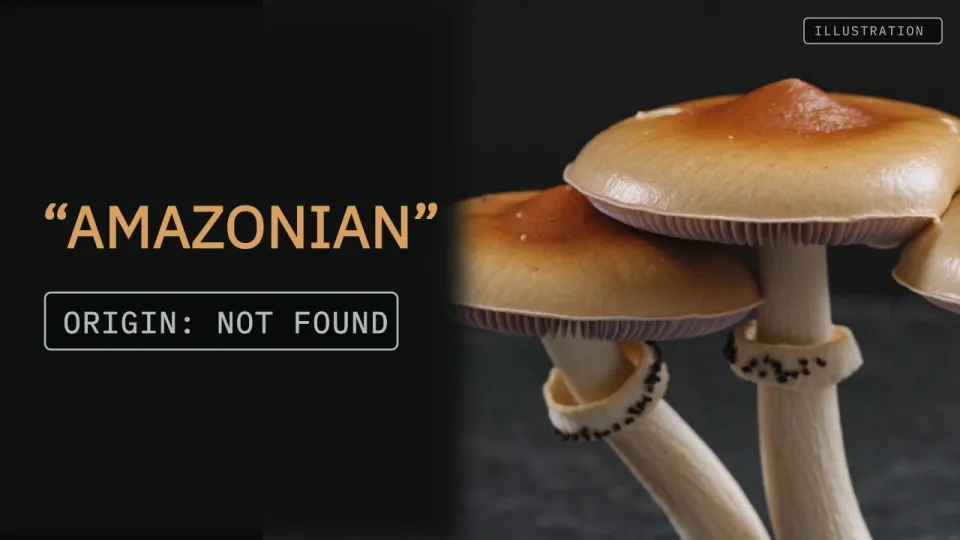
Video: Amazonian Mushroom: Following the Paper Trail Behind the Name
Scientific Classification and Taxonomy
The taxonomy of Amazonian mushroom has been clarified through comparative studies of morphology and genetics. Researchers have identified specific features such as spore size, cap color, and growth substrates that separate it from other Psilocybe species. These taxonomic clarifications are crucial for mycologists and psychonauts alike, as they confirm the mushroom's standing in the fungal taxonomy and dispel myths about its identity 05:40.
Geographic Distribution and Habitat
Amazonian mushroom is predominantly found in the tropical regions of the Amazon basin, thriving in humid environments rich in decaying plant matter. Studies highlight its preferred substrates and seasonal growth patterns, which help in accurate field identification. This geographic specificity contrasts with other Psilocybe species that have wider or different habitats 08:50.
Common Misidentifications and Naming Confusion
A significant source of confusion arises from the common use of "Amazonian mushroom" as a catch-all term for various psychoactive mushrooms from the region. This has led to mislabeling in both literature and commercial markets. The video emphasizes the importance of referencing scientific papers and verified specimen data to avoid these errors and ensure precise identification 11:30.
Importance of Following the Paper Trail
Tracking the academic and mycological literature, including herbarium records and published descriptions, is essential to understanding the true identity of the Amazonian mushroom. This paper trail approach, as presented by Shroomverse, reveals how names evolve and how scientific consensus is built over time. It also underlines the necessity of critical evaluation of sources when studying ethnomycological species 14:20.
Conclusion
Amazonian mushroom stands as a distinct species within the Psilocybe genus, with a well-documented history and taxonomy clarified through scientific research. Its identification requires careful examination of historical literature and specimen data to avoid common misinterpretations. The detailed analysis provided by Shroomverse sheds light on the complexities behind the name and highlights the value of thorough research in mycology.
Key takeaways
- Amazonian mushroom is often confused with Psilocybe cubensis but has a distinct scientific background.
- The name traces back through historical mycological literature and specimen records.
- Scientific research clarifies taxonomy and distribution in the Amazon region.
- Misidentifications have led to confusion in both popular and academic sources.
- Shroomverse provides a detailed paper trail analysis to understand the mushroom's legacy.
Questions & answers
What is the Amazonian mushroom commonly mistaken for?
It is often confused with Psilocybe cubensis, but taxonomic studies show it is a distinct species with unique characteristics.
Why is the name Amazonian mushroom confusing?
Because the term is used loosely to refer to various psychoactive mushrooms from the Amazon, leading to misidentification and inconsistent naming in literature and markets.
How do scientists clarify the identity of the Amazonian mushroom?
They analyze morphological features, genetic data, and historical specimens, tracing back through published papers and herbarium records to confirm its classification.
Why is following the paper trail important in mycology?
Following the paper trail helps verify the authenticity of species names, understand their historical context, and avoid confusion caused by misidentifications or informal naming.
Source: Amazonian Mushroom: Following the Paper Trail Behind the Name · Markdown version